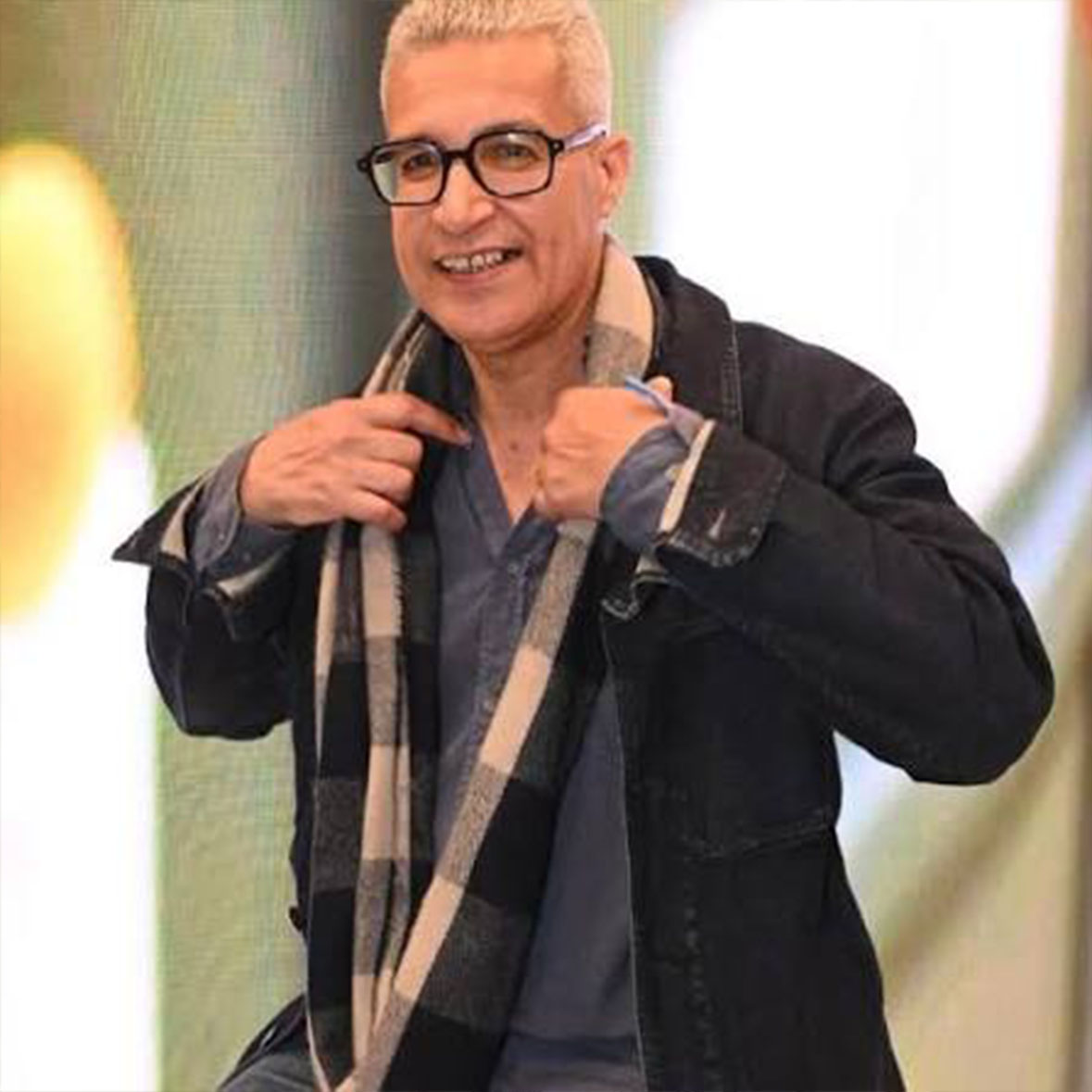
7:00 p.m. - Lecture: Writing in French: Legacies and Possibilities, Abdellah Baïda
November 25, 2026
This conference offers a two-part exploration of the relationship to the French language in Moroccan literature.
The first section briefly traces the history of French’s entry into the Moroccan literary scene, as well as the mixed reactions—ranging from acceptance to resistance and negotiation—that this language elicited among successive generations of Moroccan writers, within a context shaped by the colonial legacy and the development of a multilingual national literary identity.
The second segment focuses on the new generation of writers—of which the speaker himself is a part—who have a markedly different relationship with the French language than that of their predecessors. Drawing on personal writing experience, the discussion will explore what it means today to write in French in Morocco—no longer as a language inherited solely from the colonial era, but as one creative space among many, in constant dialogue with the other languages that shape the author: Amazigh, Arabic, and Darija.
The presentation will thus explore how this intimate multilingualism permeates the very fabric of the texts, caught between a heritage to be embraced and possibilities to be invented.
Abdellah Baïda is a writer and professor of French and Francophone literature at Mohammed V University in Rabat. His body of fiction, comprising six titles— *Le Dernier Salto* (2014), *Nom d'un chien* ( 2016), *Testament d'un livre* (2018), *L'irrésistible appel de Mozart* (2022), *Sacré personnage* (2024), and *Mon Royaume pour un crématorium* ( 2026), relentlessly explores themes of individual freedom, identity, and belonging, using the French language as a space for creativity and dialogue between cultures.
This work is accompanied by a collection of short stories, *Les Djellabas vertes se suicident* (2020), as well as several critical essays, including *Au fil des livres, chroniques de littérature marocaine de langue française* (2011), which reflects his scholarly perspective on Francophone writing in Morocco and, in turn, sheds light on his own use of the French language as a space for creation.
Share linkCopyCopyClose modal windowShare this page URLI recommend this page:Available at this address :The page will then be accessible from your "My favorites" menu.Stop videoPlay videoMute soundPlay soundChat: Got a question?Chatbot Robo FabricaMatomo visitor statisticsX (formerly Twitter)